
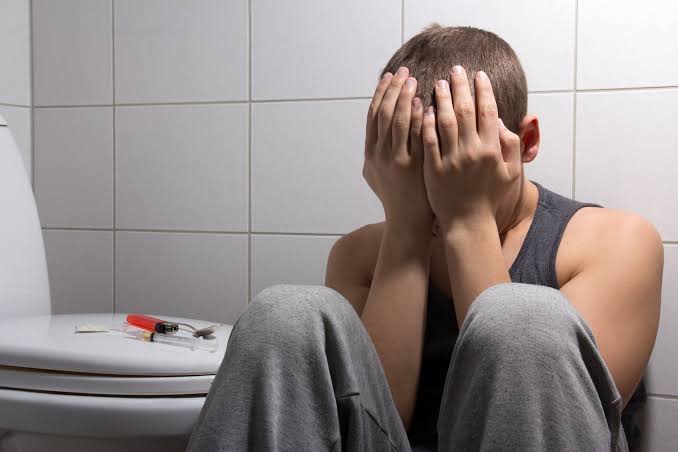
Heroin withdrawal is often described as one of the most physically miserable withdrawal experiences a person can go through – and that reputation is part of why so many people stay stuck, even when they want to stop. It’s rarely life-threatening on its own, but it’s intense enough that trying to push through it alone often ends in relapse, sometimes at a dangerous moment. Here’s what actually happens during heroin detox, how long it tends to last, and why medical support changes the outcome.
What Happens During Heroin Withdrawal
Heroin withdrawal symptoms are both physical and psychological, and they tend to show up together rather than one at a time. Common symptoms include:
- Nausea, vomiting, and diarrhea
- Muscle aches and bone pain
- Sweating, chills, and goosebumps
- Anxiety, irritability, and restlessness
- Insomnia
- Intense cravings
The severity generally tracks with how much and how long someone has been using, but even shorter-term use can produce uncomfortable symptoms.
Heroin Withdrawal Timeline
6-12 Hours: Onset
Symptoms typically begin within 6 to 12 hours of the last dose, starting with anxiety, muscle aches, and the first signs of physical discomfort.
1-3 Days: Peak Symptoms
This is usually the hardest stretch. Symptoms intensify and often include nausea, vomiting, chills, and significant physical discomfort. This is also the window where the risk of giving up and using again is highest.
Week 1-2: Tapering Off
Most acute physical symptoms begin easing within a week to ten days, though this varies by individual and by how long and heavily someone was using.
Post-Acute Withdrawal (PAWS)
Some people experience lingering symptoms – mood swings, sleep disruption, low energy, and cravings – for weeks or months after the acute phase ends. This is a normal part of the brain recalibrating and isn’t a sign that something has gone wrong.
Why Medical Detox Is Safer Than Detoxing at Home
Heroin withdrawal itself is rarely medically dangerous the way alcohol or benzodiazepine withdrawal can be, but detoxing without support carries real risks. Severe vomiting and diarrhea can lead to dehydration and electrolyte imbalances. And the biggest risk isn’t the withdrawal itself – it’s what happens after. Someone who relapses after a period of abstinence has a lower tolerance than before, which makes overdose far more likely if they use the same amount they used to.
Yonder’s medically supervised heroin detox manages these risks directly, with clinical staff monitoring symptoms and adjusting care as needed, rather than leaving someone to manage it alone at home.
Medication-Assisted Treatment During Detox
Medications like buprenorphine and methadone can significantly ease withdrawal symptoms and reduce cravings, making the detox process more tolerable and less likely to end in relapse. Medication-assisted treatment (MAT) isn’t about replacing one substance with another – it’s a clinically supported way to stabilize the body while the deeper work of recovery begins.
What Comes After Detox
Detox addresses physical dependence, but it isn’t treatment on its own. It’s the first step that makes the rest of the work possible. Once withdrawal is managed, treatment can shift toward the behavioral and psychological patterns that led to heroin use in the first place – something detox alone doesn’t touch.
Start Heroin Detox at Yonder Behavioral Health
Yonder’s residential program in Berea, Kentucky, begins with medically supervised detox and moves directly into structured treatment, so there’s no gap where someone is left to manage withdrawal – or the risk of relapse – on their own. If you or someone you love is ready to start, reach out to our admissions team to talk through what the process looks like.


